 EN
EN

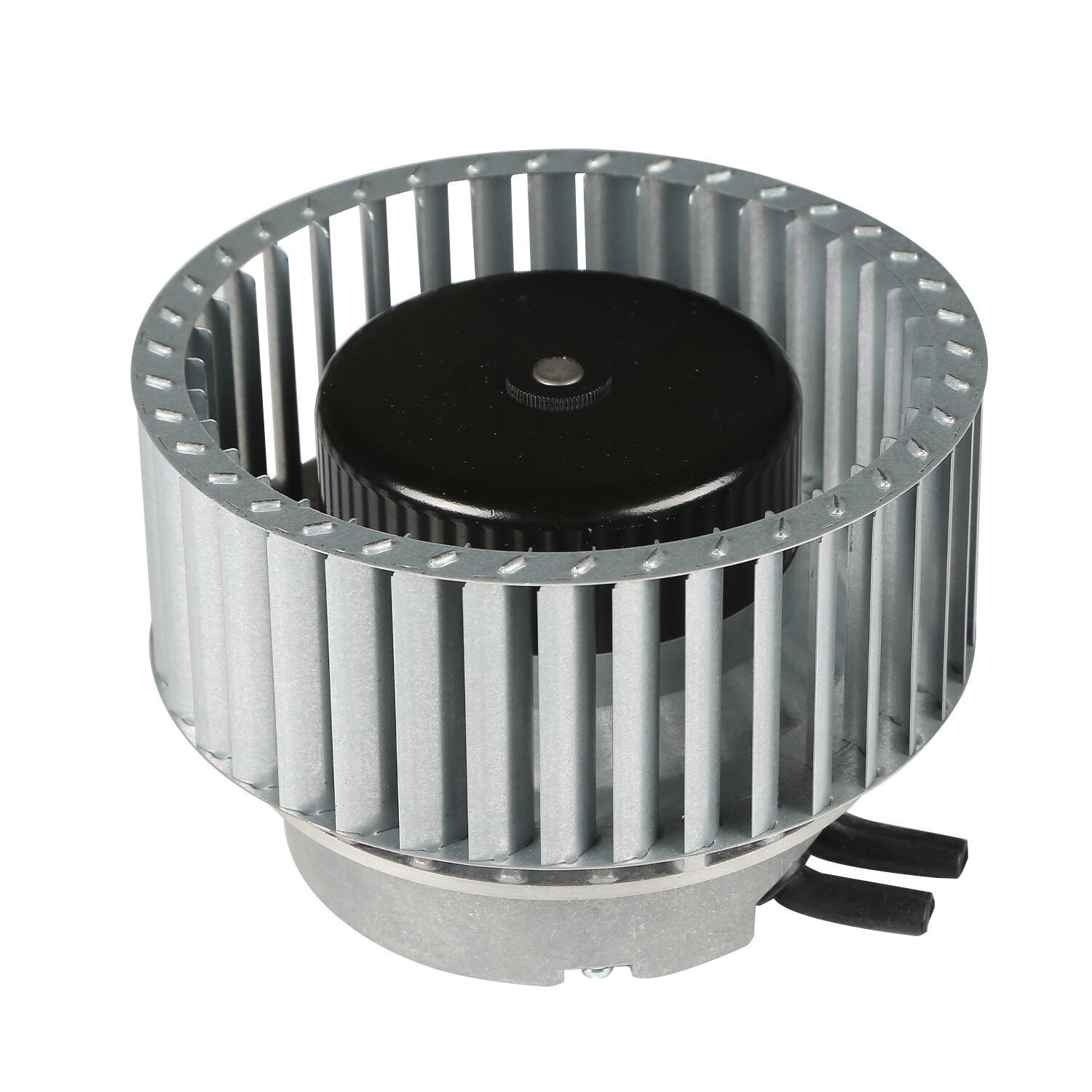
The Problem with Traditional Duct Fan Motors
Ducted ventilation systems put constant demands on the fans that drive them. The fan has to overcome static pressure from filters, bends, dampers, and long duct runs. It has to run for extended hours, sometimes continuously in commercial and industrial settings. It has to maintain consistent airflow even as conditions shift. Traditional AC motors, shaded pole or permanent split capacitor types, have powered duct fans for decades. They get the job done, but they do it with mediocre efficiency, limited speed control, and higher noise than necessary. An ec duct fan changes that equation by swapping out the old AC motor for an electronically commutated motor that fundamentally alters how the fan performs.
How EC Technology Transforms Duct Fan Performance
EC stands for electronically commutated. The motor combines a brushless DC design with integrated control electronics on the same unit. This eliminates the brushes that wear out in conventional DC motors while keeping the efficiency and controllability benefits. When built into an ec duct fan, the result is a unit that plugs directly into standard AC mains power but runs with DC efficiency. Energy consumption typically drops by thirty to forty percent compared to a similarly sized AC duct fan. The motor runs cooler, which extends bearing life and reduces the heat load dumped into the airstream. Speed control becomes simple and precise through a 0 to 10 volt signal or PWM input, no external variable frequency drive needed.
Built In Speed Control Without Extra Hardware
One of the standout benefits of an ec duct fan is the integrated speed control. With traditional AC duct fans, adjusting the airflow means adding a speed controller, a transformer, or a VFD. Each of those adds cost, takes up space, and introduces another point of failure. An ec duct fan has the control electronics built right into the motor housing. A low voltage control signal from a potentiometer, thermostat, humidistat, or building management system directly varies the fan speed from nearly zero to full rated output. This makes demand controlled ventilation straightforward to implement. The fan only runs as fast as the system actually needs at any given moment, saving energy and reducing noise during partial load conditions.
Quieter Operation Across the Speed Range
Noise matters in ducted systems, especially in residential and commercial spaces where occupants notice a loud ventilation system. An ec duct fan tends to run quieter than an equivalent AC duct fan for a few reasons. The motor itself produces less electromagnetic hum. The smooth speed control avoids the resonant frequencies that AC motors sometimes hit at specific voltages. The ability to dial the fan down to exactly the airflow needed means the fan rarely needs to run at full speed. Running at seventy or eighty percent of maximum can significantly reduce perceived noise while still meeting the ventilation requirement. For systems in offices, apartments, schools, or healthcare settings, this quieter operation translates directly into better occupant comfort.
A Smarter Investment Over the Long Haul
The initial purchase price of an ec duct fan may run higher than a basic AC duct fan, but the total cost of ownership tells a different story. The energy savings accumulate month after month, and in continuous duty applications the payback period can be surprisingly short. The longer service life of the EC motor reduces replacement and maintenance costs. The built in speed control eliminates the need for external controllers, cutting system cost and complexity. When factored over the full operating life of the ducted system, an ec duct fan frequently ends up being the more economical choice. Many engineers now specify EC powered duct fans as the default option rather than the upgrade, and that shift reflects real world experience with the technology.
Choosing an ec duct fan for a ducted system is about getting better control, lower energy use, and quieter operation from the component that drives the whole ventilation system. The technology has matured to the point where it is the straightforward choice for most new installations and many retrofit projects.