EN
EN

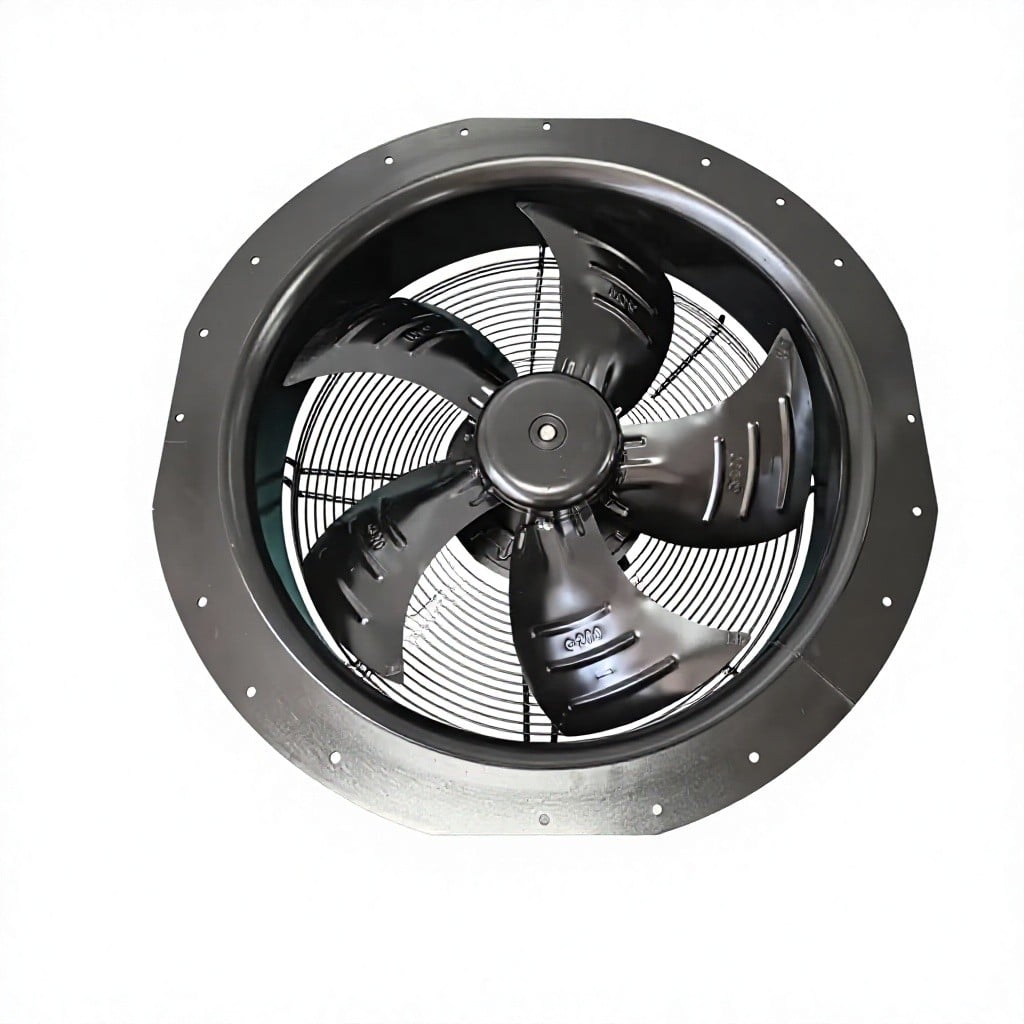
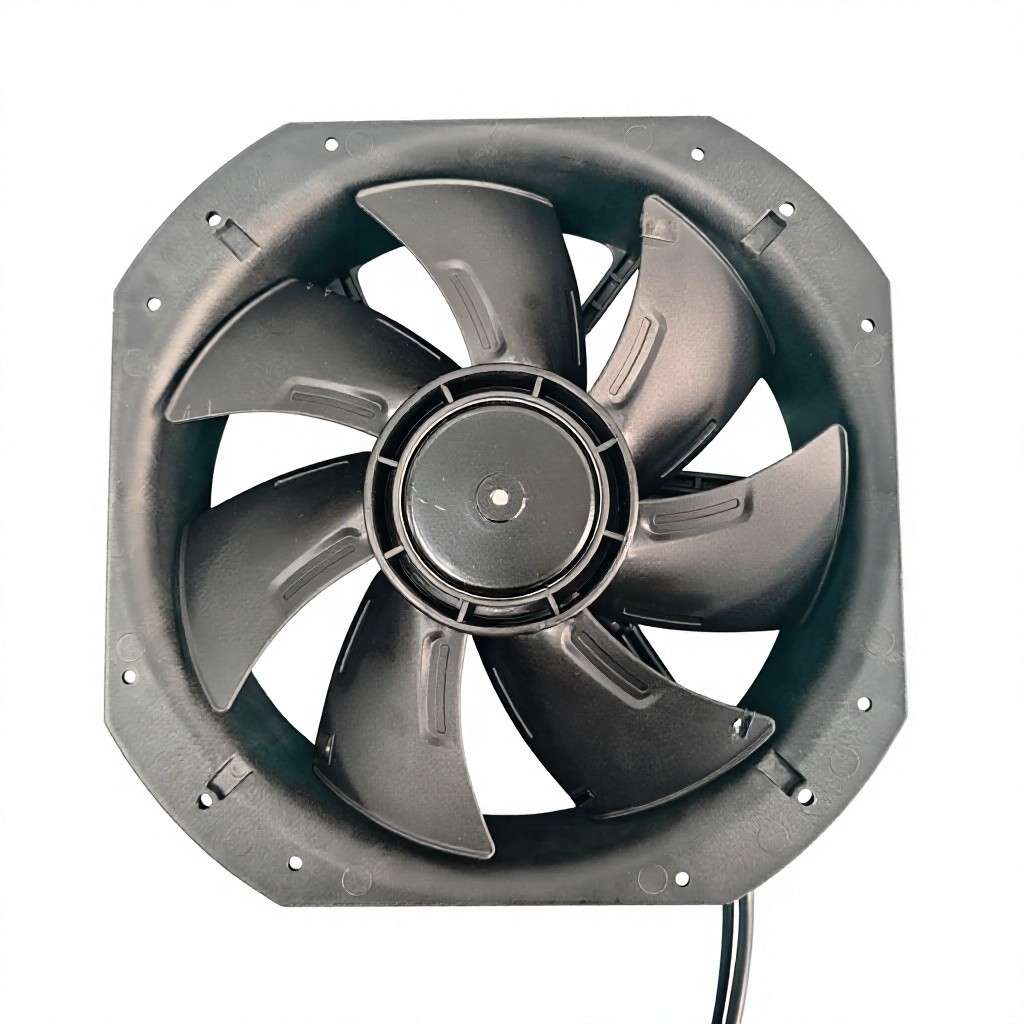
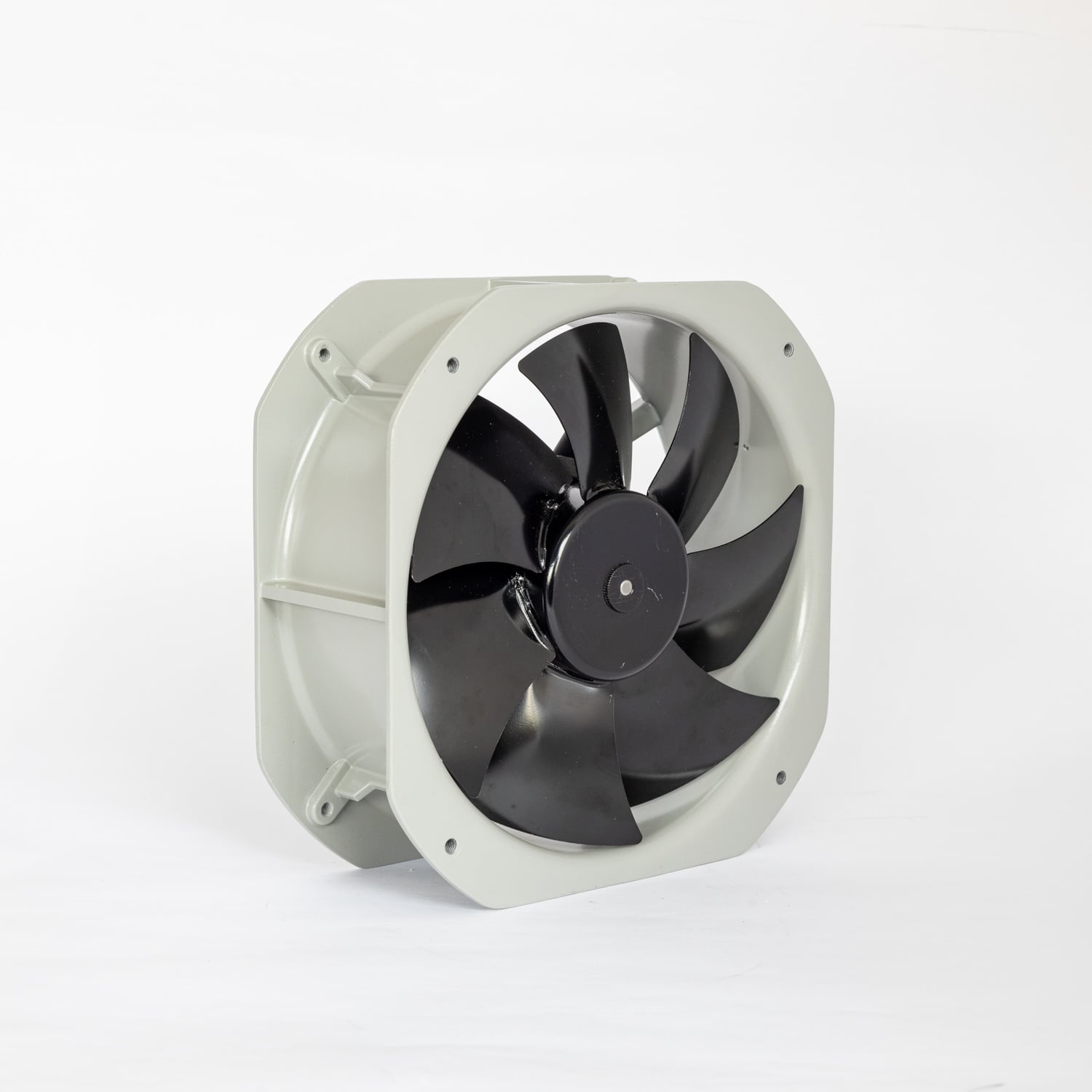
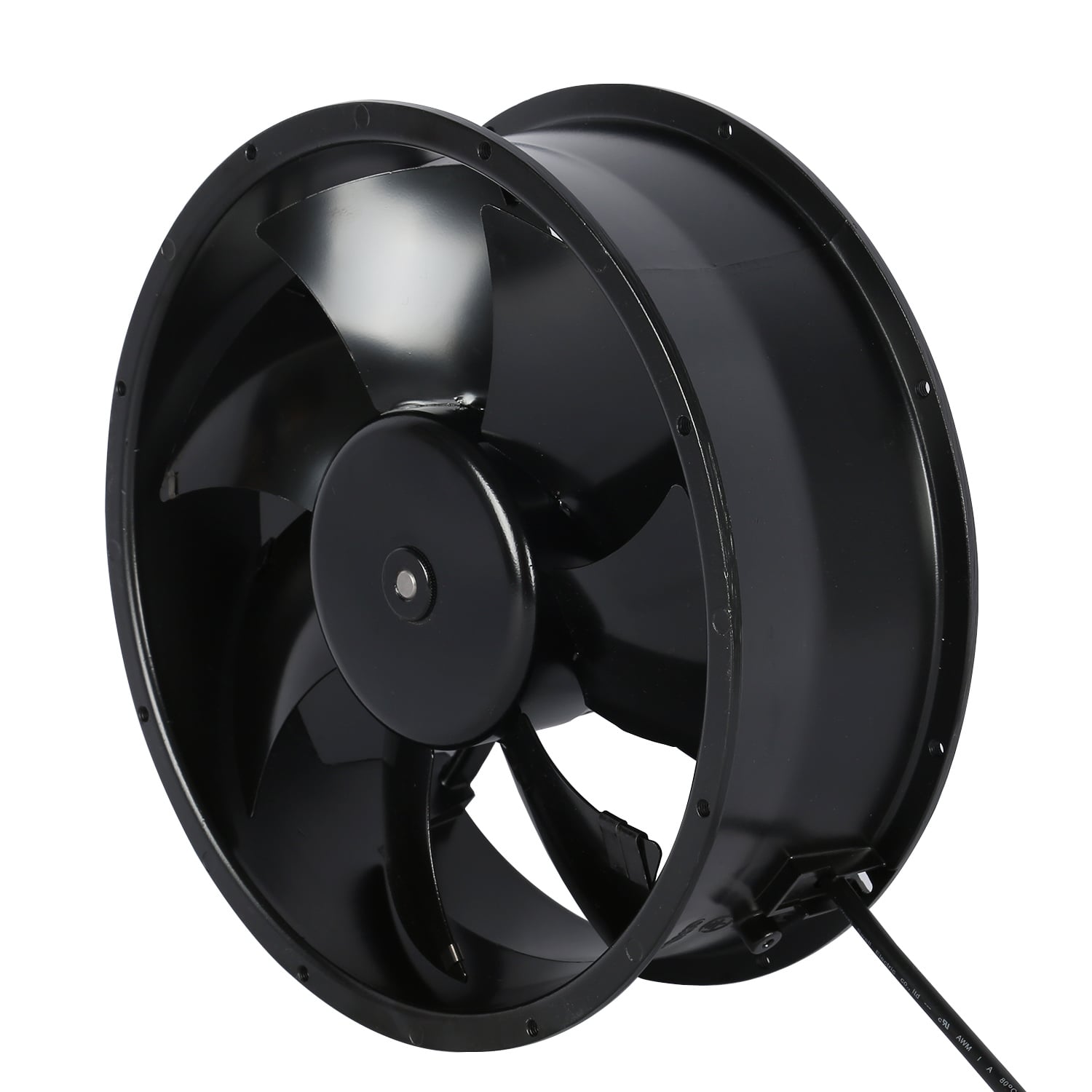
The axial flow fan, a widely adopted key component in ventilation systems, operates on the dynamic interaction between its blades and the gas. By rotating, the blades impart directional thrust to the gas, ensuring its flow and transport along the fan’s axial direction. This unique airflow guidance design affords axial fans distinct advantages in gas delivery efficiency and flow path optimization. Unlike the radial airflow conversion of centrifugal fans, the axial flow pattern is better suited to applications that require a straight, direct ventilation path.
From a process perspective, the operation of an axial flow fan follows a clear fluid‑dynamic logic. When started, the motor drives the blades at high speed. During rotation, the blades generate a low‑pressure zone, allowing gas to be smoothly drawn into the inlet under the pressure differential. The incoming gas then receives kinetic energy from the continuous thrust of the rotating blades, accelerating axially. Finally, the accelerated gas is pushed steadily through the axial passage to the outlet, achieving directional gas transport or space ventilation. Throughout this process, the gas flows parallel to the fan shaft along a short and smooth path, which effectively reduces energy loss and underlies the unit’s high‑air‑output characteristic. Compared with other fan types, axial flow fans provide stronger airflow continuity and can move large volumes of gas per unit time—a key reason they are preferred in large‑scale ventilation scenarios.
The core strengths of axial flow fans are embodied in three main traits, with “high air volume” being the most prominent. Thanks to the efficient axial‑flow design, these fans deliver a substantially greater air volume than comparable equipment such as centrifugal fans under equivalent power and size, making them particularly suitable for high‑airflow demands: overall ventilation of large spaces, rapid exhaust in industrial workshops, and centralized ventilation in civil buildings. For example, in open areas like factories, gymnasiums or subway stations, axial fans can quickly refresh the air through strong output, ensuring air quality or meeting process requirements.
Low static pressure is another defining feature. This refers to the relatively low static pressure the fan develops, which makes it most appropriate for systems with low resistance and short, smooth duct runs. Although this limits its use in long‑distance or high‑resistance piping, the combination of low pressure and high air volume precisely meets the need for efficient ventilation in low‑pressure‑loss environments, avoiding the energy waste of over‑specifying a high‑pressure fan and thus achieving an optimal match between performance and operating conditions.
Flexible installation is a major practical advantage, resulting from the compact construction and diverse mounting options. With a simple layout comprising a motor, blades and housing, axial fans occupy relatively little space. This allows versatile installation—wall‑mounted, duct‑mounted or floor‑standing—to adapt to different site requirements, significantly broadening their applicability while lowering installation difficulty and cost.
Material adaptability is addressed through two common blade material options: metal and plastic. Metal blades (e.g., galvanized steel or aluminum) offer high strength, temperature and corrosion resistance, and long service life, fitting demanding industrial environments such as workshops, high‑temperature areas, or corrosive gas handling. Plastic blades (engineering plastics) are light‑weight, cost‑effective, provide good sound insulation and resist mild corrosion, making them suitable for residential or mild commercial uses like kitchen exhaust, office ventilation or small‑space air exchange.
Beyond material choice, axial fans can be paired with various guards and ducts to suit specific application and safety needs. Mesh guards prevent entry of foreign objects and protect personnel from moving blades, available in different materials and aperture sizes for industrial or civilian settings. Ducts of different lengths and diameters help optimize airflow routing and improve ventilation efficiency; special types such as weather‑proof or acoustic ducts can further extend the fan’s suitability for particular conditions.As an experienced industrial axial fans manufacturer, Fanova provides high-airflow, low-noise axial fan solutions
In summary, by leveraging the axial airflow principle and the core features of high air volume, low static pressure and installation flexibility—together with selectable metal/plastic blades and configurable guards and ducts—axial flow fans can meet a wide range of ventilation requirements across industrial, civil and commercial fields. Their cost‑effectiveness and adaptability have established them as a central solution in the ventilation equipment market, delivering reliable performance for air circulation and gas transport in diverse spaces.
For ventilation-specific solutions, you can also explore our EC axial fan and axial fan for ventilation pages. As a professional axial ventilation fan supplier, Fanova supports efficient airflow solutions for industrial and HVAC applications.