EN
EN


As a key gas-handling equipment in industrial production and large-scale ventilation systems, the core working principle of centrifugal blowers relies on centrifugal force to pressurize and directionally convey gases. Unlike the axial airflow delivery method of axial fans, centrifugal blowers achieve pressurization and transport through a 90-degree redirection of airflow, providing irreplaceable advantages in high-pressure gas conveyance scenarios. They are widely used in industrial and civil applications that require overcoming system resistance and achieving precise gas distribution.
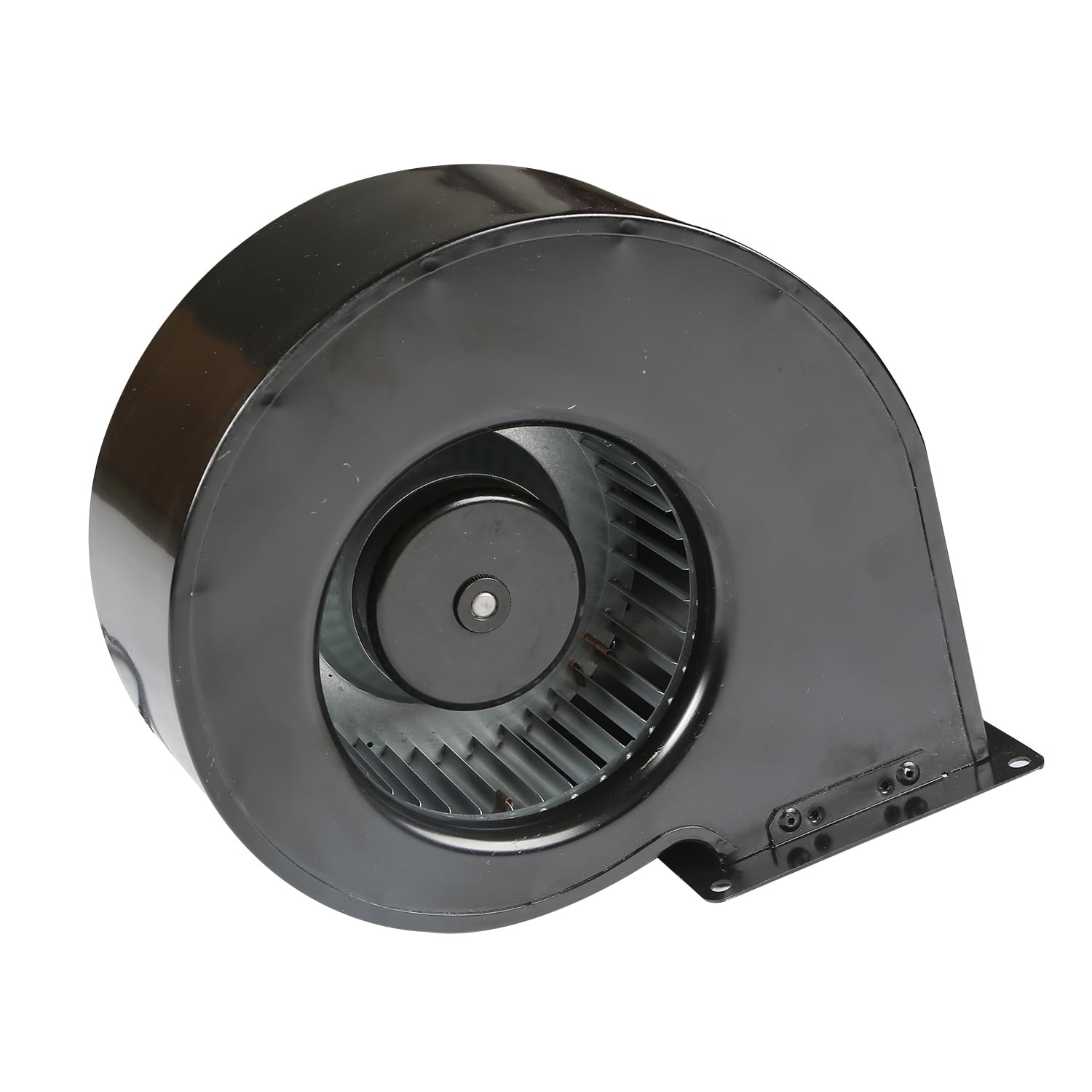
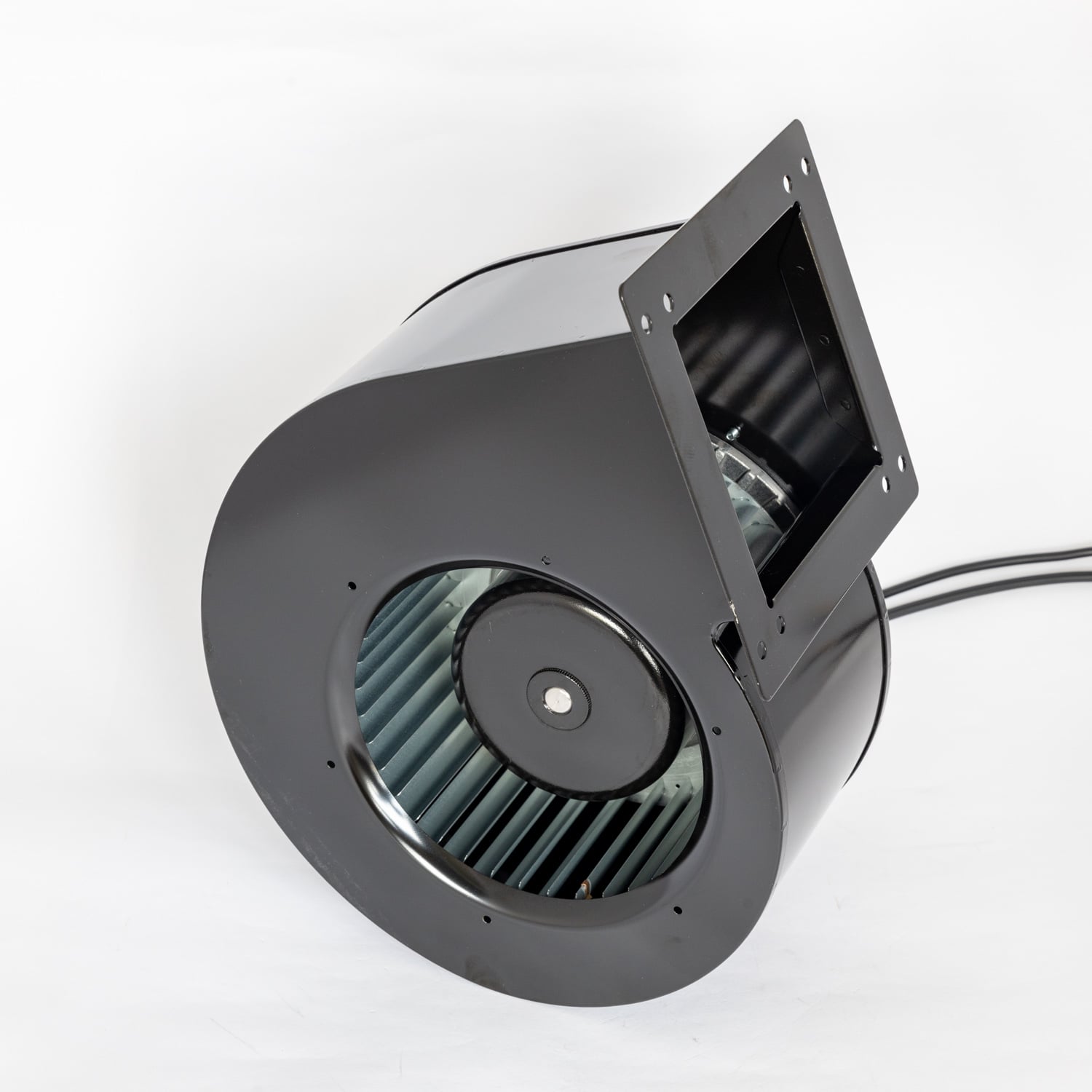
From a detailed operational perspective, the working process of a centrifugal blower follows strict fluid dynamics principles and can be divided into four key stages: intake, energy acquisition, pressurization and deceleration, and exhaust. After startup, the motor drives the internal impeller to rotate at high speed. The impeller's rotation creates a low-pressure zone between its blades, allowing gas to smoothly enter the intake passage along the axial direction under the pressure differential, completing the intake process. Once inside, the gas immediately contacts the high-speed rotating impeller. Under the combined action of the impeller blades' push and centrifugal force, it gains kinetic and potential energy, achieving rapid energy accumulation.
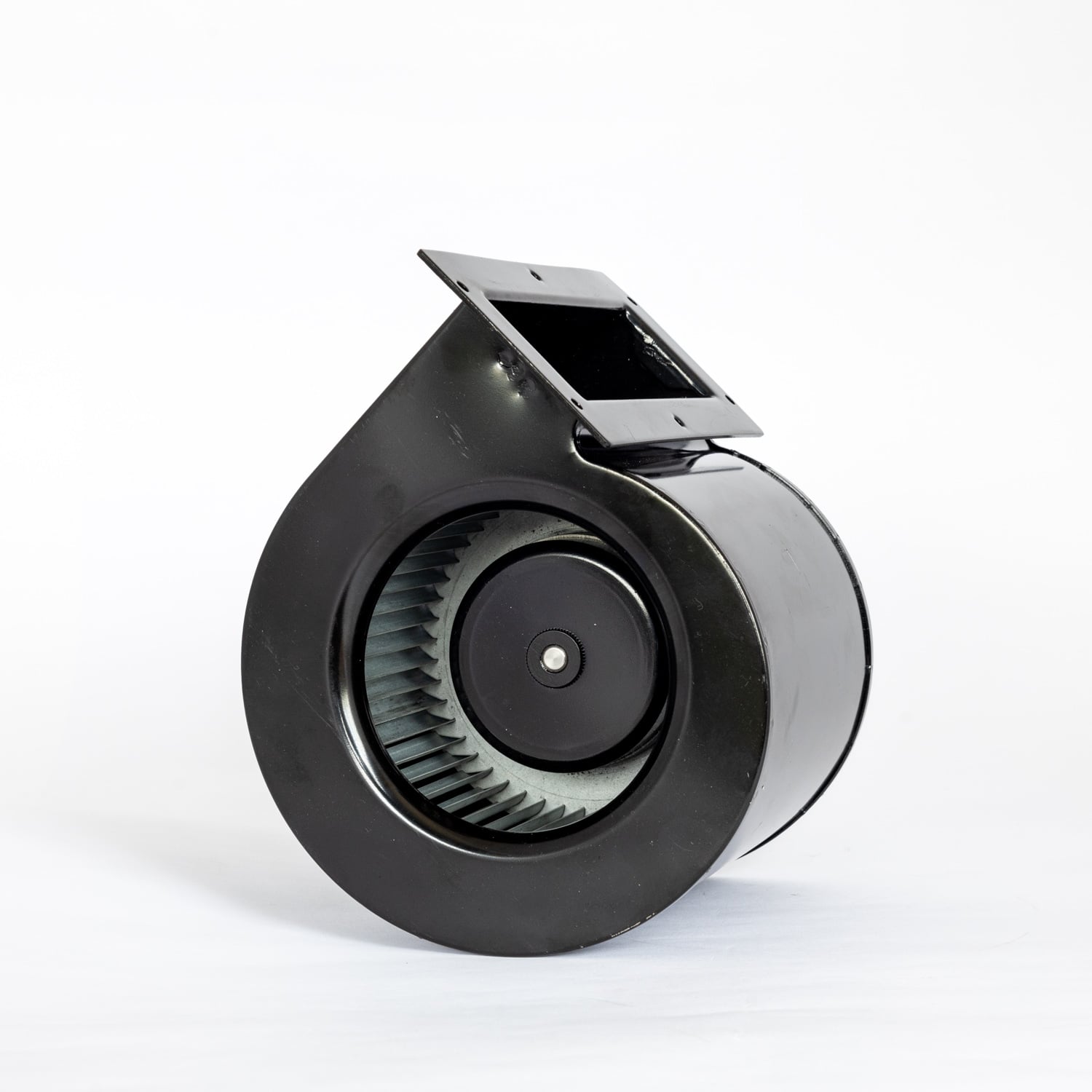
After energy acquisition, the gas is rapidly expelled outward by the impeller and enters the blower's volute casing. The volute’s inner wall is designed with a gradually expanding shape, whose core function is to decelerate and increase the pressure of the high-velocity gas flow. As the gas moves through the volute passage, its flow velocity gradually decreases. According to fluid mechanics principles, kinetic energy is converted into static pressure energy, causing the gas pressure to continuously rise until it meets the required transport pressure. Following pressurization, the gas is directed and discharged from the radial outlet at a 90-degree angle to the inlet direction, enabling precise delivery of high-pressure gas and meeting the supply needs of long-distance pipeline systems or high-resistance setups. Throughout this process, the airflow transitions from axial intake to radial discharge, with the synergistic effects of impeller centrifugal force and volute pressurization ensuring the blower’s high-pressure conveying performance—a core advantage distinguishing it from other fan types.
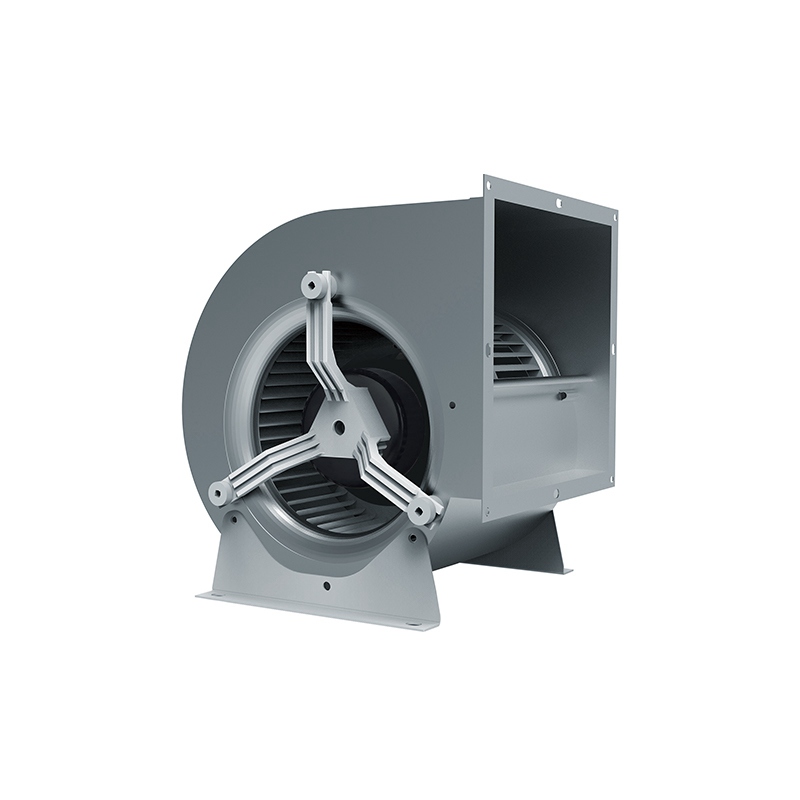
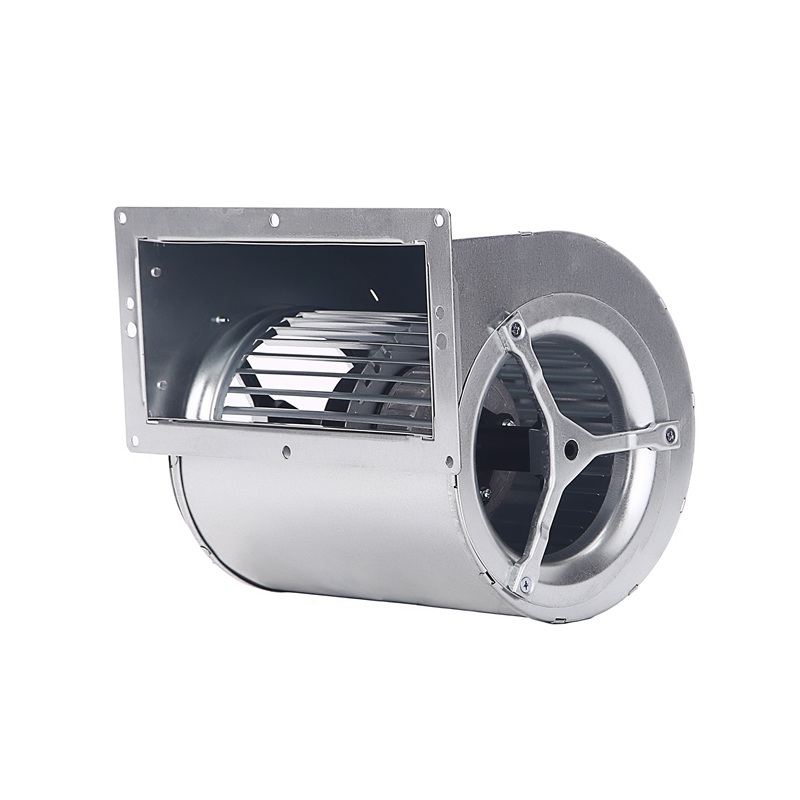
The core performance of a centrifugal blower is supported by the forward-curved centrifugal impeller installed inside, a design perfectly suited to the blower’s high-pressure characteristics. The blades of the forward-curved impeller are oriented in the same direction as the impeller rotation. This structural design allows the blades to exert more direct thrust on the gas, generating higher static pressure under the same rotational speed, which aligns perfectly with the centrifugal blower's requirement for high-pressure output. Additionally, the forward-curved impeller features a relatively compact structure with multiple short blades. This not only enhances gas propulsion efficiency but also effectively controls the overall size of the blower, allowing the equipment to maintain high-pressure performance while remaining structurally compact for easy installation and integration within industrial equipment clusters.
Based on its core structure and working principle, centrifugal blowers exhibit distinct key characteristics, with "high air pressure" being their most prominent performance attribute. This feature enables them to easily overcome significant system resistance, such as in long-distance gas pipelines, complex industrial ventilation systems, and applications requiring high-pressure gas injection. Centrifugal blowers can stably deliver high-pressure gas, ensuring smooth and reliable gas transmission. Compared to the low-pressure nature of axial fans, centrifugal blowers show particularly clear advantages under high-resistance conditions, making them the core choice for high-pressure gas transport in industrial production.
Medium air volume is another important characteristic of centrifugal blowers, striking a balance between the high-pressure, low-volume output of Roots blowers and the low-pressure, high-volume output of axial fans. This performance positioning makes them more suitable for scenarios requiring both substantial air volume and high-pressure delivery, such as aeration systems in industrial wastewater treatment, gas transfer stages in chemical production, and centralized air conditioning supply systems in large buildings. They can meet gas transport pressure requirements while ensuring sufficient flow to support normal process operations.
Concentrated airflow direction further enhances the application value of centrifugal blowers. Due to the radial outlet's directional discharge and the use of dedicated outlet piping, precise directional gas transport can be achieved, minimizing energy loss from gas diffusion. In applications requiring gas to be accurately delivered to specific equipment or processes, this feature improves gas utilization efficiency, reduces energy waste, and ensures stable process parameters. The ability to "overcome significant system resistance" broadens their scope of application, enabling adaptation to various complex pipeline systems and high-resistance ventilation environments in industrial settings without additional boosting equipment, thereby reducing system construction costs and operational complexity.
In terms of material and structural compatibility, core components of centrifugal blowers such as impellers and volutes are often made from high-strength metal materials, including galvanized steel and plastic. These materials offer excellent structural strength, high-temperature resistance, and corrosion resistance, allowing them to withstand harsh industrial conditions such as high-temperature gas transport and mildly corrosive gas handling, ensuring long-term stable blower operation. Depending on application needs, some smaller centrifugal blowers may also use engineering plastic components to reduce costs, lower weight, and meet demands in civil or mild industrial environments. Additionally, centrifugal blowers can be equipped with accessories such as silencers and vibration dampers to reduce operational noise and vibration, enhancing equipment comfort and safety.
For buyers looking for broader product options, stable supply capacity, and application-focused support, Fanova also offers a dedicated wholesale centrifugal fan factory page covering centrifugal ventilation solutions for industrial airflow, cooling, and pressure-driven systems.
Given these core characteristics, centrifugal blowers are widely used across multiple industrial and civil sectors. In industrial production, they serve as key equipment in gas transport systems for industries like chemicals, metallurgy, and power generation, responsible for conveying various process gases and fuel gases. In wastewater treatment, they are used in aeration systems to supply air to wastewater, promoting microbial growth and improving treatment efficiency. In HVAC systems for large buildings, they provide high-pressure air supply to achieve indoor air circulation and climate control. Furthermore, they are applied in mining ventilation, pneumatic conveying, and other scenarios, delivering stable high-pressure gas support to ensure the smooth progress of various production processes.