 EN
EN

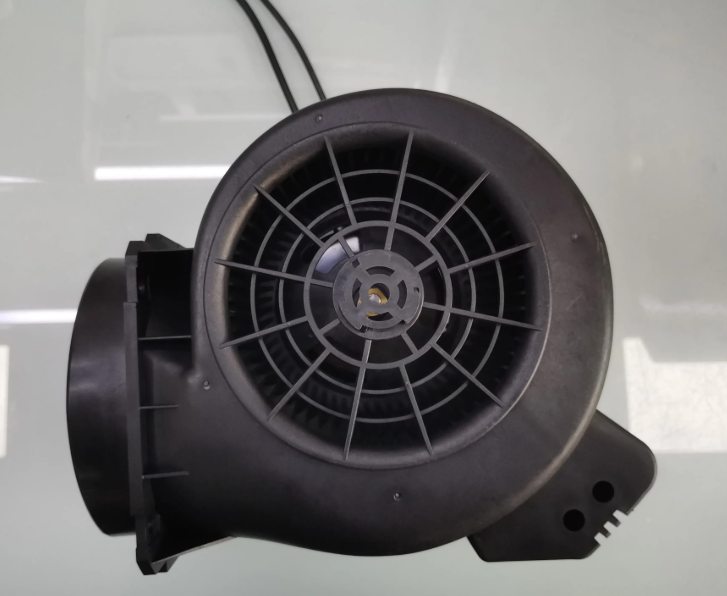
If you have ever dealt with equipment cooling or ventilation, you know the fan is often the unsung hero. It runs in the background, and you only really notice it when it starts making noise or stops working altogether. For years, the go to choice was a standard AC fan with a simple induction motor. But things have changed. The rise of the brushless blower fan has given engineers, hobbyists, and system designers a real alternative. The question is not whether it is a better technology—it usually is. The real question is when it makes sense to choose one over the traditional option.
Let us walk through the situations where making the switch pays off.
When Long Life and Low Maintenance Are Top Priorities
One of the biggest pain points with traditional fans is the brushes. In a standard brushed motor, physical carbon brushes press against a spinning commutator. They wear down over time. It is a predictable failure point. If your application is something like a ventilation system in a hard to reach attic, a fan in a medical device that cannot afford downtime, or a cooling unit for remote telecom equipment, replacing a fan every couple of years is a real headache.
A brushless blower fan removes that problem entirely. There are no brushes to wear out. The motor relies on electronic commutation, meaning there is no physical contact between moving parts for power transfer. The result is a much longer operational life. Many brushless designs are rated for tens of thousands of hours of continuous operation. So, if your project demands a “set it and forget it” approach, going brushless saves you the labor and downtime costs of frequent replacements.
When Energy Efficiency Directly Affects Operating Costs
Power consumption matters more in some applications than others. For a fan that runs 24 hours a day, seven days a week, the difference in efficiency adds up fast. Traditional AC induction motors are simple and cheap upfront, but they are not particularly efficient, especially at partial loads. They tend to run at a fixed speed unless you add extra hardware like a variable frequency drive.
Brushless DC motors, which power a brushless blower fan, are inherently more efficient. They use permanent magnets and electronic control to precisely manage speed and torque. This means less energy is wasted as heat. In applications like HVAC systems, refrigeration units, or solar powered ventilation, the energy savings from using a brushless design can often pay back the initial cost difference within the first year or two. If you are looking at a project where the fan will run long hours, efficiency is a strong reason to make the switch.
When You Need Precise Speed Control Without Extra Gear
Sometimes you do not just need a fan to turn on and off. You need it to respond to changing conditions. For example, in a server cabinet, you might want the fan to barely whisper when the load is light, but ramp up to full power when temperatures spike. With a traditional AC fan, achieving this kind of control usually means adding an external controller like a variable frequency drive or a phase control module. That adds cost, complexity, and another potential failure point.
A brushless blower fan often comes with built in speed control capabilities. Many models include a PWM input or a simple voltage control that lets you adjust the speed seamlessly. The control logic is integrated into the fan itself. This makes it much easier to implement thermal management strategies without piecing together separate components. If your application demands dynamic airflow based on temperature, pressure, or user input, a brushless design gives you that flexibility straight out of the box.
When Noise Levels Cannot Be Overlooked
Noise is a funny thing. In a factory setting, nobody cares if a fan is a bit loud. But put that same fan in a living space, an office, or a recording studio, and suddenly every decibel matters. Traditional AC fans often have a distinct hum from the magnetic field and the bearings. Brushed motors also produce electrical noise and a whining sound from brush contact.
Brushless technology is naturally quieter. The electronic commutation is smoother, and there is no brush friction. In a brushless blower fan, the motor runs more quietly, and the airflow noise becomes the dominant sound. With good aerodynamic blade design, the overall noise level can be significantly lower. So, if your project is noise sensitive—think residential ventilation, quiet cooling for AV equipment, or anything in a human occupied space—the quieter operation of a brushless fan is a major advantage.
When Space Is Tight and Airflow Requirements Are High
Sometimes you are dealing with a tricky space. You need a lot of airflow, but the physical footprint is limited. Traditional fans often rely on larger blade diameters or thicker profiles to move air effectively against resistance. In a brushless blower fan, the motor is typically more compact for the same power output because the design is more efficient.
This allows manufacturers to create blowers that are smaller and flatter while still delivering impressive static pressure and airflow. This is especially relevant for applications like compact electronics cooling, portable medical devices, or automotive systems where every cubic inch matters. If you are trying to solve a cooling problem in a cramped enclosure, the higher power density of a brushless design gives you more flexibility.
When Reliability Is Critical for System Stability
In some applications, a fan failure is not just an inconvenience. It can lead to system shutdown, equipment damage, or even safety risks. Traditional fans, with their mechanical brushes and simpler motor construction, have a higher statistical failure rate over long term operation. The brushes wear, bearings degrade, and the motor windings can overheat under sustained load.
Brushless designs are built for durability. Because there is no physical contact for commutation, there are fewer wear items. Quality units also include protective features like overcurrent protection, locked rotor protection, and thermal cutoff. These safeguards make the fan more resilient in real world conditions. If your project involves critical infrastructure, medical equipment, or industrial controls where downtime is expensive, choosing a brushless blower fan is a decision that improves overall system reliability.
So, when should you opt for a brushless blower fan over a traditional one? The answer comes down to your priorities. If you value long life, energy efficiency, precise control, quiet operation, compact design, or rock solid reliability, the brushless option is usually the better fit. The upfront cost might be a bit higher, but the long term benefits in performance and peace of mind make it well worth the investment.
Table of Contents
- When Long Life and Low Maintenance Are Top Priorities
- When Energy Efficiency Directly Affects Operating Costs
- When You Need Precise Speed Control Without Extra Gear
- When Noise Levels Cannot Be Overlooked
- When Space Is Tight and Airflow Requirements Are High
- When Reliability Is Critical for System Stability