 EN
EN

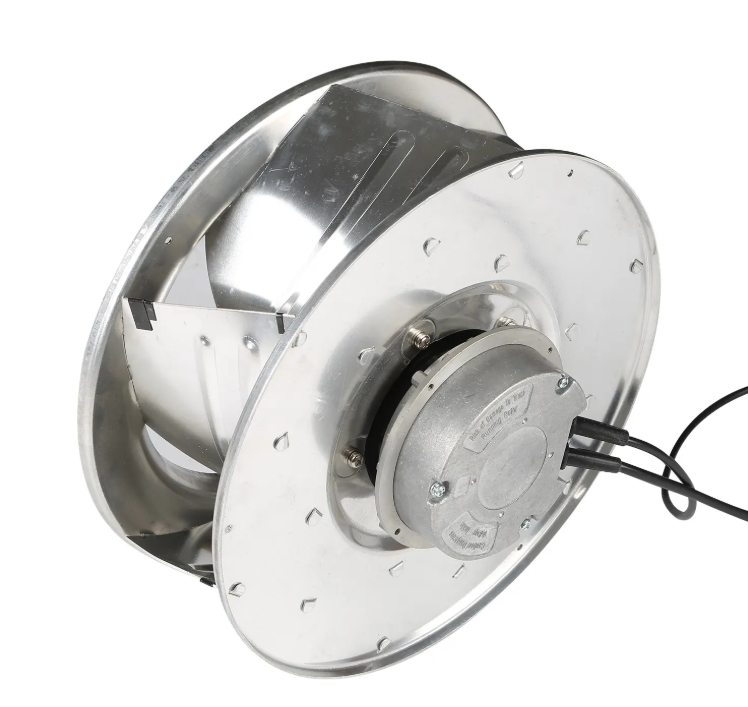
When setting up a solar powered system, every component needs to earn its keep. Power is precious, and reliability is nonnegotiable. This is especially true for the cooling fan, a part often overlooked until it stops working. For anyone looking into a dc fan for solar setups, the choice goes beyond just checking voltage. It is about finding a unit that can handle the unique rhythm of solar energy—the stops and starts, the varying power levels, and the outdoor conditions.
Here is what to really pay attention to when making this choice.
Why Efficiency Matters More Than Ever
In a solar application, efficiency is not just a spec sheet number; it directly impacts your battery bank and panel array. A fan that draws too much power can throw off your whole energy budget. The best choice is a brushless DC motor. These motors are inherently more efficient than older brushed types because they eliminate friction and electrical losses from physical contacts.
What makes a brushless design shine in solar is its ability to deliver high airflow without draining your storage. For a system running on limited sunshine, a few watts saved on a fan can mean the difference between having enough power for other essentials or running the generator. Look for units that offer high static pressure relative to power consumption. This ensures the fan can move air effectively even when there is resistance from filters or ducting, which is common in solar powered ventilation or cooling cabinets.
Handling the Natural Power Fluctuations
Solar power is rarely steady. Clouds roll in, the sun shifts, and the voltage from panels fluctuates throughout the day. A standard AC fan would struggle with this, but a quality dc fan for solar is designed to tolerate a wide voltage range. This is critical.
A robust fan will maintain operation even when voltage dips, and it will manage higher voltages during peak sun without burning out. It is about having a built in tolerance. Many modern units include overvoltage and undervoltage protection. This protects the fan itself and prevents it from causing issues for your charge controller or batteries. The fan should be a stable load, not a source of system instability.
Durability for the Elements
Solar installations often live outdoors, in attics, on RVs, or in remote equipment sheds. This means the fan must be tough. Pay close attention to the enclosure rating. An IP rating tells you how resistant the fan is to dust and water.
For most solar applications, especially those exposed to the elements, an IP54 or higher rating provides a good balance of protection against dust ingress and splashing water. If the fan is in a sealed electronics cabinet, IP20 might suffice, but for anything facing the outdoors directly, higher protection is a must. Also consider the bearing type. For fans that run for long hours, especially in hot environments, dual ball bearings are more reliable over time than sleeve bearings. They handle temperature swings better and have a longer operational life.
Noise Matters for Residential Use
If the fan is part of a solar system on a home, an RV, or a tiny house, noise becomes a real quality of life factor. Solar powered cooling is often used in living spaces, and a loud fan can be disruptive.
Brushless DC motors naturally run quieter than AC motors, but the fan blade design also plays a big role. Look for descriptions like “aerodynamic” or “wave” blade designs. These reduce turbulence and wind noise. Also, check the decibel rating. A fan running at 25 to 30 dB is considered very quiet for residential use. It is worth spending a little more on a fan that uses vibration dampening mounts, as this prevents the fan’s movement from transferring into the structure of the enclosure or wall, which can amplify noise.
Voltage Compatibility and System Integration
Solar systems come in common voltages like 12V, 24V, and 48V. Choosing the right fan voltage is straightforward: match it to your system’s battery bank voltage. However, there is a nuance. Some fans are labeled as “12/24V auto ranging,” meaning they can accept either voltage without adjustment. This flexibility can be useful for systems that may be upgraded later.
Beyond voltage, consider how the fan will be controlled. In a simple setup, an on off switch works. But for optimal energy use, a fan with a PWM (pulse width modulation) input allows you to control speed based on temperature. This means the fan only runs as fast as needed, saving power. Some advanced fans even include a built in tachometer output, which sends a signal to a controller to monitor if the fan is actually spinning. This is valuable for critical equipment cooling where failure is not an option.
Reliability and Long Term Support
A solar system is designed for longevity, often expected to run for a decade or more with minimal maintenance. The fan should match that expectation. This is where the manufacturer’s history and support matter. A fan is a simple component, but the difference between a unit that lasts a year and one that lasts a decade comes down to the quality of the motor, the precision of the bearings, and the robustness of the circuit board.
Look for a supplier that stands behind their products with a clear warranty. A three year warranty, for example, is a strong indicator of confidence in the hardware. Beyond that, having access to technical support who understands the nuances of solar applications is invaluable. They can help with things like verifying if a fan’s startup surge is compatible with your charge controller or if the fan will operate correctly in your specific climate.
Choosing the right dc fan for solar is about finding a balance between power efficiency, physical durability, and system compatibility. It is one of those components where paying attention to the details upfront prevents headaches down the road. With the right fan, your solar system stays cool, quiet, and reliably powered for years to come.