 EN
EN

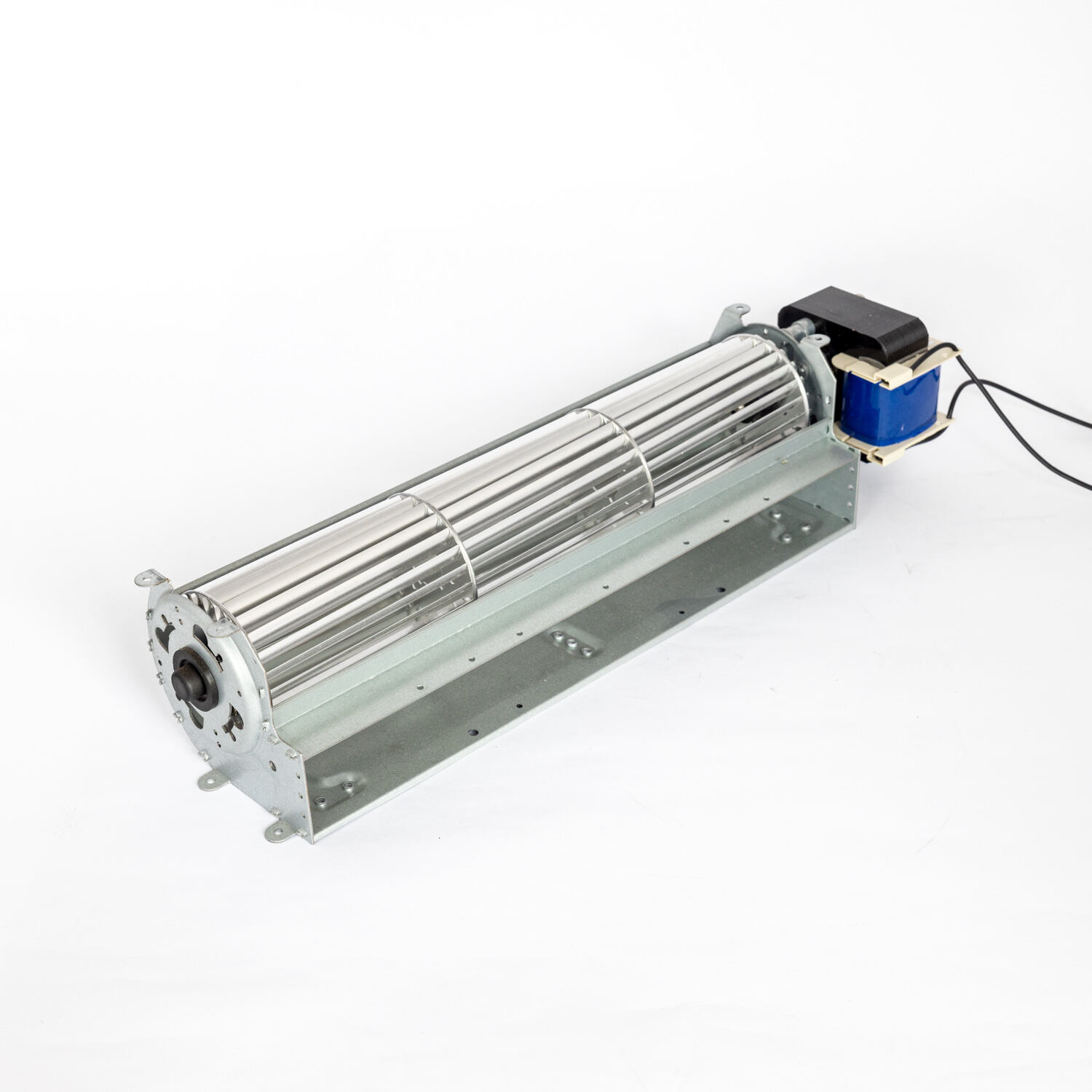
Spot Cooling Solves a Specific Problem
Whole room cooling is not always the answer for electronics. A rack of servers, a bank of AV equipment in a closet, a telecom enclosure, or a row of industrial controls often generates heat in one concentrated area while the rest of the space stays cool. Crank up the building HVAC to handle one hotspot, and you waste energy cooling empty space. A dc inline duct fan offers a more targeted solution. It mounts directly into a duct run that extracts hot air from the equipment area and moves it somewhere else, either out of the space or into a return air path. This focused approach removes heat at the source rather than trying to dilute it with a large volume of conditioned air.
DC Motor Efficiency Matches Spot Cooling Duty
The DC motor in a dc inline duct fan brings several advantages to spot cooling applications. DC motors convert a higher percentage of electrical input into mechanical output than comparable AC motors. This means more airflow per watt, which keeps operating costs low for equipment that runs around the clock. The efficiency also means less waste heat from the motor itself, a subtle but real benefit when the whole purpose is removing heat from electronics. DC inline duct fans operating on 12 volt or 48 volt power can tap directly into the low voltage supplies already present in many electronics installations, eliminating the need for separate AC circuits.
Inline Design Integrates Seamlessly with Ductwork
The inline form factor of a dc inline duct fan is what makes it practical for spot cooling. Unlike a panel fan that mounts on an enclosure wall and blows air directly, an inline fan sits within the duct itself. This lets the system designer route the cooling airflow exactly where it needs to go. The fan can pull hot air from an equipment rack through a short duct and exhaust it into a ceiling plenum. It can draw cool air from outside the enclosure and force it past the electronics that need cooling. The inline arrangement keeps the fan out of the way while giving complete freedom over airflow path and exhaust location.
Quiet Operation for Occupied Spaces
Many electronics installations sit in or near occupied areas. An AV closet next to a conference room, a server rack in an open office, or controls equipment in a break room. Fan noise becomes a real consideration. A dc inline duct fan addresses this through both motor technology and placement. The DC motor itself runs quieter than equivalent AC motors, with less hum and vibration. The inline installation inside ductwork naturally attenuates some of the fan noise before it reaches occupied areas. And because the spot cooling approach allows a smaller fan running at lower speed to handle a targeted heat load, the overall noise level drops compared to a larger fan cooling the entire space.
Variable Speed Responds to Changing Heat Loads
Electronics heat output varies. Idle periods generate less heat than peak processing. Daily and seasonal fluctuations mean the cooling requirement is rarely constant. A dc inline duct fan with speed control capability adapts to these changes. A temperature sensor placed in the equipment area sends a signal to the fan controller. As temperatures rise, the fan speed increases. As they fall, the fan throttles back. This prevents overcooling during low demand periods, saves energy, and reduces unnecessary wear on the fan. In a spot cooling setup where the fan runs continuously, even a modest speed reduction during off peak hours adds up to significant energy savings over a year.
Simple Installation and Low Maintenance
A dc inline duct fan keeps things simple. The compact inline design fits into standard duct diameters and connects with basic duct clamps or flanges. The DC power requirement means installation is straightforward, often using an existing power supply rather than requiring a dedicated AC line. With no belts, pulleys, or complicated mechanical linkages, the fan has very few wear items. The bearing system in a quality dc inline duct fan is designed for tens of thousands of hours of continuous duty. For facilities teams managing electronics cooling across multiple locations, the low maintenance requirement is a practical advantage that reduces the burden on staff.
A dc inline duct fan brings targeted, efficient, and quiet cooling to electronics that need heat removed at the source. The combination of DC motor efficiency, inline duct integration, variable speed control, and compact installation makes it a practical choice for keeping critical equipment cool without overengineering the entire room's climate control.