 EN
EN

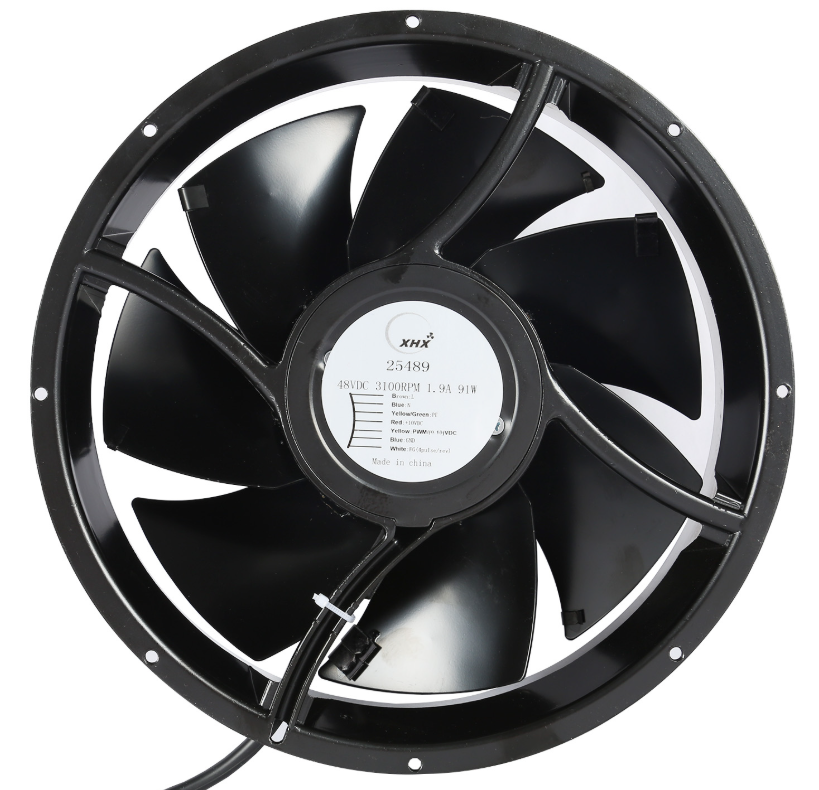
When you walk into a room that feels just right—not too hot in one corner, not too cold near the window—you are experiencing the work of a good HVAC system. A key part of making that happen often goes unnoticed. The secret is airflow. Moving air from the main unit to every single room is not easy, especially in large or oddly shaped spaces. Air loses energy as it travels. This is where duct fans for HVAC systems step in to save the day.
What Duct Fans Actually Do
Duct fans are compact fans placed inside the ductwork of a heating and cooling system. Their main job is to give a boost to the airflow. Think of them like helpers along the air path. When the main blower sends air down a long hallway of ducts, the air starts to slow down. A duct fan turns on and gives it a push to keep going.
These fans come in several shapes. Some are designed to fit right inside round ducts. Others are built for square or rectangular air paths. The simple idea is to put more moving power where the air needs it most. They do not replace the main system fan but work alongside it to fix weak spots in the air distribution network.
Solving the Mystery of Uneven Temperatures
We have all been there. One room is an icebox while another feels like a sauna. The HVAC system is working fine, but the air is not reaching every space evenly. This problem happens a lot in homes with additions, long duct runs, or rooms far from the main unit.
Duct fans for HVAC applications fix this by helping the air travel further without losing its force. When you install one of these fans in a long duct line, it pushes the air all the way to the far end. This means the bedroom above the garage gets the same amount of warm or cool air as the living room right next to the furnace. The result is comfort in every corner, not just the rooms closest to the main unit.
Quiet Helpers That Save Energy
A common worry people have is noise. They think adding another fan means adding more sound. The truth is different. Modern duct fans run very quietly. They are often placed inside insulated duct sections or mounted away from living areas, so you barely hear them.
The bigger surprise is that they can actually lower your energy bills. How? When the main HVAC fan does not have to push so hard to get air to distant rooms, it can run at a lower speed. Some systems can even run less often because the duct fan makes the whole system more efficient. The EC motors used in many new duct fans use up to 35 percent less power than older AC motor designs. That is real savings month after month.
Different Types for Different Needs
Not every duct fan is the same. You need to pick the right style for your situation.
Inline duct fans are the most common choice for homes and small businesses. They fit directly into the duct pipe and push air in a straight line. These are great for boosting airflow to a single room or helping a whole house ventilation system work better.
Mixed flow fans are a newer design. They combine features of axial and centrifugal fans to move good amounts of air while fighting against the resistance of long ducts and filters. These work well in commercial buildings where the ductwork has many bends and turns.
For tough jobs where the air has to push through lots of resistance, a centrifugal duct fan is the better pick. These create higher pressure, which is necessary when the system includes thick filters or long runs of narrow ductwork.
Where Duct Fans Make the Biggest Difference
You will find duct fans working hard in many places.
In houses, they are often used to fix a single problem room. Maybe the bonus room above the garage never gets warm in winter. A small inline duct fan in that branch of the duct system changes everything.
In offices and stores, these fans help balance the air across large floor plans. They make sure the conference room at the far end of the building stays as comfortable as the reception area up front.
Factories and workshops use bigger duct fans to pull out dust, fumes, and hot air from work areas. This keeps the air clean and safe for people working inside.
Choosing the Right Fan for Your System
Picking the best duct fan is about matching the fan to the job. The first thing to look at is duct size. The fan must fit your existing ductwork or come with adapters to make it work. Next, think about how much air you need to move. Airflow is measured in cubic feet per minute, or CFM. A small room might need only 100 CFM, while a large open area could need 500 or more.
Do not forget about pressure. If your duct system is long or has many turns, you need a fan that can push against that resistance. This is measured in pascals or inches of water column. A good fan supplier will help you match these numbers to your system.
The motor type matters too. EC motors cost a bit more upfront but save money over time. They also let you adjust the fan speed to exactly what you need. That kind of control makes a big difference in both comfort and efficiency.
A Smart Addition to Any HVAC Setup
Duct fans for HVAC systems are not a new idea, but the technology has gotten much better. Modern versions are smaller, quieter, and more efficient than ever. They solve real problems that homeowners and building managers face every day. Uneven temperatures, poor airflow to far rooms, and high energy bills can all be improved with the right duct fan.
The best part is that adding a duct fan is often much simpler and cheaper than replacing the whole HVAC system or tearing out old ductwork to put in bigger pipes. It is a targeted fix for a specific problem. When you work with a trusted manufacturer like Fanova, you get a fan that is built to last and designed to work perfectly with your existing setup.
So next time you walk into a room and feel comfortable air all around you, remember the small but mighty helper hidden inside the ducts. It is working quietly in the background, making sure every breath of air gets exactly where it needs to go.