 EN
EN

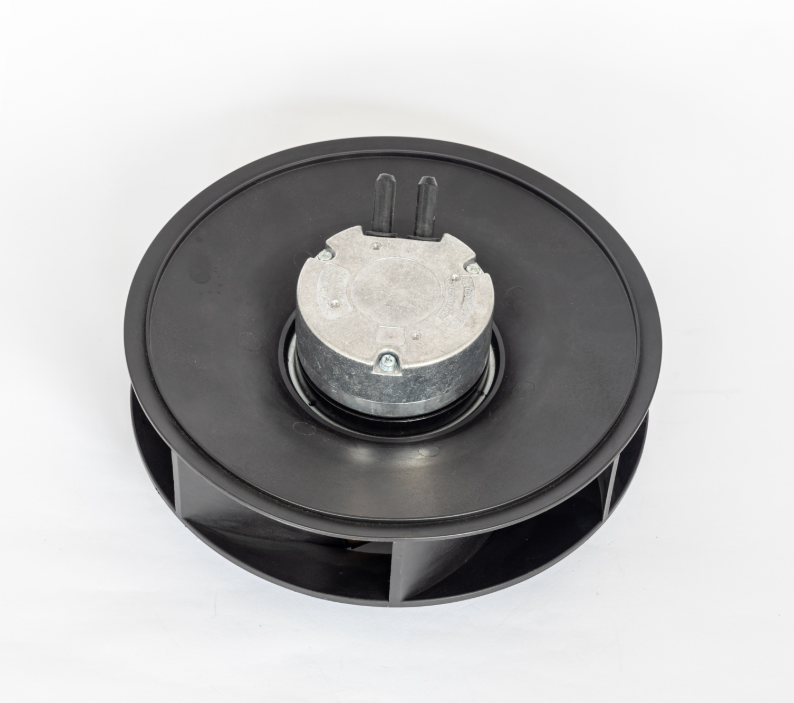
What Makes the Backward Curved Design Different
A backward curved centrifugal blower gets its name from the orientation of its impeller blades. The blades tilt away from the direction of rotation, creating a shape that looks a bit like a series of shallow scoops facing backward. This might seem like a minor detail, but it changes everything about how the blower moves air and handles pressure. Unlike forward curved blowers that rely on aggressive blade angles to throw air outward, a backward curved impeller guides the air smoothly along the blade surface and releases it at a controlled velocity. The result is a machine that runs more efficiently, makes less noise, and lasts longer in demanding applications. Engineers who work with HVAC systems, industrial ventilation, and dust collection often prefer this design because it delivers predictable performance across a wide range of operating points. When you look at the fan curve of a backward curved blower, you see a steep, stable line that keeps the airflow consistent even as system resistance changes. That stability is exactly what many industrial processes need.
Higher Efficiency Means Lower Operating Costs Over Time
One of the strongest arguments for choosing a backward curved centrifugal blower is its energy efficiency. The smooth airflow path through the impeller cuts down on internal losses that plague other fan designs. In practical terms, a backward curved blower can hit static efficiency ratings above 80 percent in many applications, and that's a lot better than forward curved or radial blade designs. Over the life of a blower that runs continuously in a factory or commercial building, that efficiency difference turns into real electricity savings. I remember working with a facility manager who swapped out a set of old forward curved blowers for backward curved units on a large paint booth exhaust system. The new blowers moved the same amount of air while drawing noticeably less current. After a full year of operation, the energy savings alone covered a solid chunk of the equipment cost. For any business that looks at total cost of ownership instead of just the sticker price, the backward curved design makes a strong financial case.
Non Overloading Power Characteristics Protect the Motor
Another technical advantage that often gets overlooked is the non overloading horsepower curve of a backward curved blower. In plain English, this means the blower won't pull too much power if the system resistance drops unexpectedly. Forward curved blowers have a bad habit of drawing more and more current as the airflow climbs past the design point, which can cook motors and trip breakers. Backward curved blowers don't have this problem because their power curve peaks and then levels off or even drops at higher airflow rates. This built in safety cushion is incredibly valuable in real world installations where dampers open, filters get pulled out for cleaning, or ductwork springs a leak. The blower just keeps running without threatening to burn up its own motor. For maintenance teams, this means fewer emergency calls and less risk of unplanned downtime. It's one of those design features that quietly prevents disasters without anyone really noticing until they compare it to a less forgiving fan type.
Better Handling of High Static Pressure Applications
Lots of industrial and commercial systems need a blower that can push air against serious resistance. Long duct runs, dense filter banks, and complex air handling units all create static pressure that the blower has to fight against. Backward curved centrifugal blowers shine in these conditions because their impeller geometry builds strong pressure without needing crazy high rotational speeds. The blades work like a series of small airfoils, stacking up pressure gradually as the air moves through the impeller. This capability lets a single backward curved blower replace multiple smaller fans in some installations, which simplifies the system layout and cuts down the number of parts that can fail. In applications like fume extraction, where hoods and filters create a lot of resistance, the backward curved blower holds steady airflow even as filters load up with particulates. That kind of dependability keeps production lines moving and makes sure worker safety standards stay where they need to be.
Reduced Noise Levels Improve Workplace Conditions
Noise is a real concern in any indoor environment where blowers run all day. A loud blower creates a stressful workplace, gets in the way of communication, and can even break local noise rules. The backward curved design naturally produces less noise than forward curved or radial blowers at the same airflow and pressure. That's because the smooth airflow path cuts down on turbulence, which is one of the main sources of fan noise. The reduced blade pass frequency also helps lower the overall sound level. In practical terms, a facility that installs backward curved blowers often finds that extra sound dampening measures become unnecessary or can be scaled way back. That saves money on silencers, acoustic enclosures, and duct lining materials. It also makes for a nicer environment for employees who spend their whole shift near the equipment. From a compliance standpoint, staying under noise limits is easier when the blower itself is quieter from the start.
Long Term Durability in Challenging Environments
Backward curved centrifugal blowers are often built with heavier materials and tougher construction than their forward curved cousins. The impeller design spreads stress more evenly across the blades, which reduces fatigue failures in high speed applications. Many manufacturers offer backward curved impellers in stainless steel, aluminum, or coated carbon steel to fight off corrosion and abrasion. This makes the design a good fit for harsh spots like chemical processing plants, wastewater treatment facilities, and coastal installations where salt air eats away at metal surfaces. The self cleaning nature of the backward curved blades also helps in dirty air applications, since dust and debris are less likely to pile up on the impeller. A longer service life means fewer replacements and less labor spent on maintenance over the life of the gear. For companies that see equipment as a long term investment rather than a throwaway item, this durability is a major selling point.
Why the Right Manufacturer Makes the Difference
Picking a backward curved centrifugal blower is a smart engineering move, but the benefits only show up when the blower is built right and matched to the specific job. Fanova specializes in manufacturing backward curved centrifugal blowers for a wide range of industrial and commercial uses. The company gets that a blower isn't a one size fits all product. Housing dimensions, impeller materials, motor specs, and inlet setups all affect performance and reliability. By working directly with clients to pin down their airflow needs, pressure limits, and environmental conditions, Fanova delivers blowers that keep performing as expected year after year. For facility managers and OEM buyers who need dependable air moving equipment, that kind of manufacturing focus and application support is what separates a good blower from a great one. At the end of the day, the advantages of a backward curved centrifugal blower are only as good as the company standing behind it.
Table of Contents
- What Makes the Backward Curved Design Different
- Higher Efficiency Means Lower Operating Costs Over Time
- Non Overloading Power Characteristics Protect the Motor
- Better Handling of High Static Pressure Applications
- Reduced Noise Levels Improve Workplace Conditions
- Long Term Durability in Challenging Environments
- Why the Right Manufacturer Makes the Difference