 EN
EN

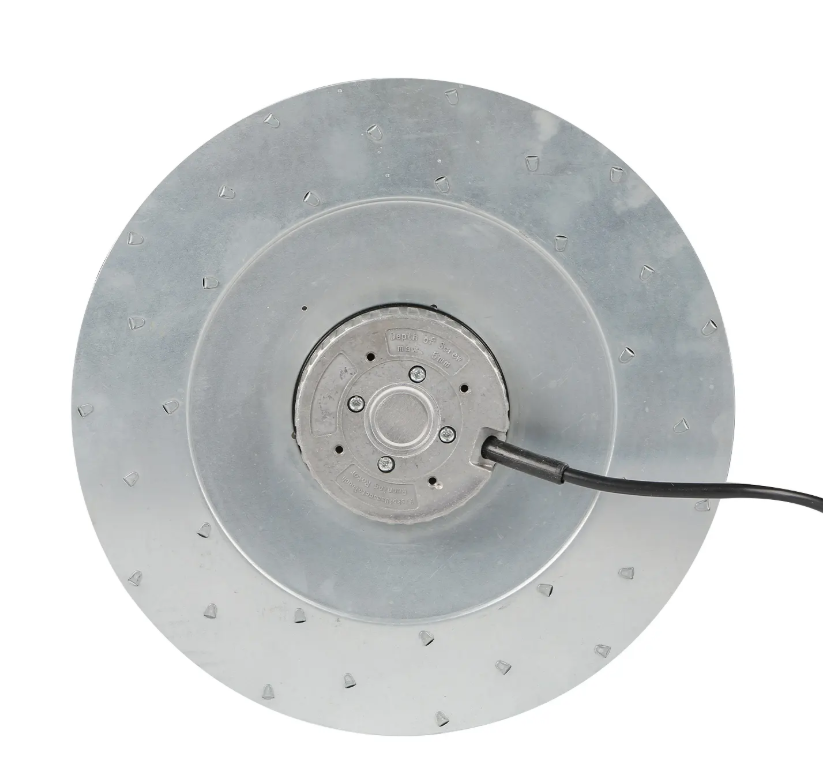
The fan is the most critical component in any system. However, the impeller is the most crucial component in the fan. Backward curved centrifugal fan impeller are reliable, efficient, quiet, and able to operate in higher pressures. Because this impeller is a work horse, it needs care and maintenance to ensure it continues to operate effectively and efficiently. If you ignore the needs of the impeller, it can lead to increased energy costs, increased noise and vibration, and ultimately, system failure. In this article, we will show you the important steps to maintaining the impeller.
The Popularity of Fan Impeller Design
To begin with, what makes this kind of impeller so popular? For one, unlike standard paddle wheels, the backward curved blades are intended to achieve higher rotational speeds. Instead of merely pushing air, they generate a pulling air effect. This is why they are used for long running applications such as the EC fan solutions produced by Fanova, which has been developing this technology since 2003. However, even the most functionally designed impeller, regardless of the engineering and materials used for production, will age and collect dirt.
Inspection Frequency
How often should these inspections be conducted? Without going into too much detail, consider a visual inspection every three to six months. If the air in the environment is dirtier, this will warrant more frequent inspections. For example, if your fan operates twenty four hours a day in a factory or a commercial kitchen, the inspection frequency should be higher. Think of this as a balanced system of work to stave off system collapse.
Important Things Before You Get Started
Before starting an inspection of the machine, safety is key. Ensure that the power is disconnected on the machine and it is locked out. You do not want the machine to start up while you are working around it. Once your safety precautions are guaranteed, grab a flashlight and examine the impeller blades.
Inspection Goals
What is your agenda while doing the inspection? The main goal is to identify any dirt accumulation on the blades. If you observe any dirt on the blades, determine the thickness of that layer and it is likely that that will create an imbalance on the machine. It is similar to when your car tire has mud on it; it will create a wobble. If the fan is experiencing thousands of wobble revolutions, that will create a lot of pressure on the bearings and the motor. Ensure you examine every blade of the fan. Is the dirt uniformly located on the blades? It is likely not to be the case. You are bound to find some collections of dirt, dust, oil or other foreign materials such as workshop rags, or a piece of plastic that may have been sucked in the fan.
You should also assess the blades. Check for cracks, bends, and corrosion on the blades. As a result of this, the blades will become choked and break off. If a blade breaks, the fan will become dangerously unbalanced, creating the risk of catastrophic failure of the motor and possible collateral damage to equipment. This will be a serious issue with respect to the reliability of the equipment especially for medical purposes, or for cooling data centers.
Also inspect the impeller to shaft connection. Is it tight? Look for rust on the hub or on set screws that may have become loose. Also, if you can, give the impeller a spin and listen. If the impeller makes a scraping sound or feels rough, it could be an indication that the bearings are worn.
How to Clean the Impeller
Let us discuss cleaning. Maintenance tasks have to be completed. Dust needs to be removed, not sprayed with a hose. For light dust, a stiff brush works best. Then use a vacuum cleaner with a brush attachment, and carefully wipe each blade. For greasy buildup, you might need a mild degreaser. Be careful to not get it on the motor. Wipe the degreaser onto a cloth, and be careful to not bend the blade you want to clean.
Checking Balance After Cleaning
When you turn the motor back on, if it shakes a lot, it means you have to rebalance it. If you give it a spin and it stops, it means it needs to be balanced. Cleaning might have removed the dust keeping it stable. Fan companies like Fanova have the best equipment and qualified staff to fix it, like wind tunnels, to get the balance right, but it is a lot simpler to do factory repairs and major overhauls.
Don't Forget the Motor and Bearings
What about the motor and the bearings? While you are concerned about the impeller, remember they are all interconnected. Listen to the fan while it is running. Is it a smooth hum? Then that is a good sign. If it is rumbling or squealing, that is a bad sign. Bearings are what allow the impeller to spin. If they are worn out, then they need to be replaced. Some motors come with sealed bearings and they last a long time, but they are not immortal. Keeping the impeller clean means less load on the bearings, which means they last longer.
If you have an EC motor of good quality, like the ones that Fanova has, then you may have bonus features like better control and better monitoring. Some systems are able to tell you when the fan is working too hard or when the current draw changes, which can indicate that the impeller is dirty or that the bearings are worn out. If you have this smart feature, then use it.
Pro Tips for a Thorough Check
Make sure you inspect the fan housing and inlet cone while you are checking the impeller. Usually, the spacing between the moving impeller and the stationary inlet is quite small. If the cone is broken, bent, or if the housing is misplaced, the impeller will rub up against it, and cause noise, sparking and damage. Make sure that spacing is even all around.
When putting the fan back together, and first starting it up, watch if it spins up properly and if it makes the right sound. If you are able to measure the vibration, it is advised to do so. Also, it is recommended to keep the checks logged. Write the date and inspection, and what was done to correct it. The log will eventually show some pattern for future reference.
When Should You Get A Replacement
In the event that you will need a new fan unit or a replacement impeller, choose a manufacturer that has a proven history of reliability. A manufacturer like Fanova has over fourteen years of history. Plus, their entire R&D and Quality teams are focused on designing backward curved centrifugal fan impeller and motors that are durable and efficient. Other manufacturers cut design time by years so they can sell to their customers quicker, but Fanova's emphasis on design, engineering, and testing creates durable and maintainable products. You can rest easy knowing that Fanova's products are designed and manufactured under ISO9001, CE, and RoHS standards, and are designed for compliance with the rest of the world's standards.
Fan Care Conclusion
Ultimately, a fan impeller's maintenance is about acknowledging the engineering that other people do. The fan is a sophisticated piece of engineering that most people frequently overlook. A fan is quiet, and does its job, but its job is difficult: it moves air, and by doing this, it keeps people comfortable or cools down other machines. A bit of cleaning, a careful inspection every now and then or listening to what it is telling you will ensure that the fan keeps on spinning for a long time. Keeping a fan in good working condition will save you a lot of money on energy bills, will also save you from costly repairs, and keeps the system working like new. Grab a cleaning brush and your flashlight to show the fan some love.