 EN
EN

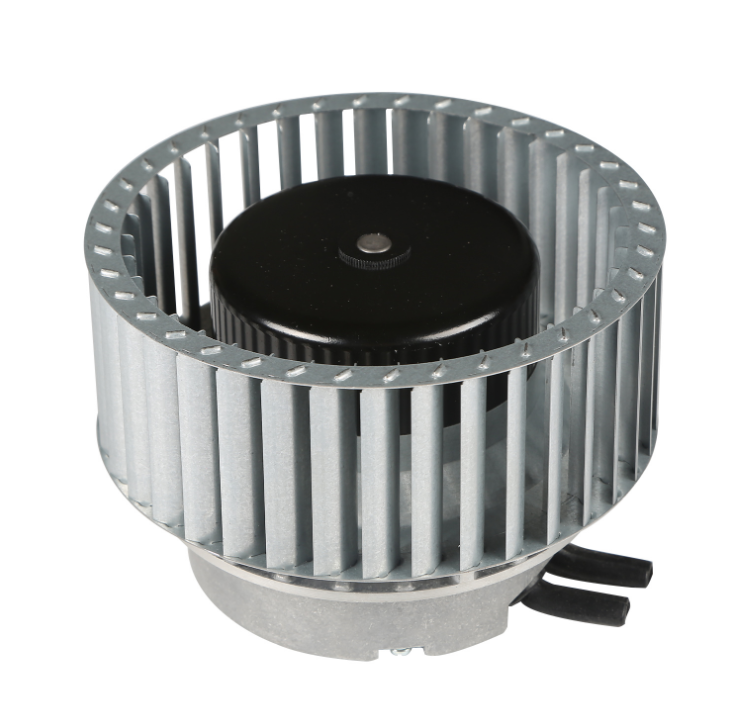
Aerodynamic traits that define forward inclined fan performance
A forward inclined fan carries blade geometry that tilts toward the direction of wheel rotation. This unique blade profile creates distinct airflow characteristics compared with backward curved centrifugal alternatives. The blade design generates higher air volume at relatively low rotational speed, making the hardware well suited for systems prioritizing large air delivery over extremely high static pressure. Air molecules gain velocity directly from the curved blade surface before entering the fan housing. The mechanical tradeoff sits within energy consumption behavior. Units deliver generous airflow yet require careful motor matching when duct resistance rises sharply. Basic aerodynamic data published by AMCA outlines performance boundaries that guide design engineers during early equipment selection phases.
Field observations from commercial air handler renovation work
A mechanical contractor completed upgrades for a multi‑floor retail air handling system. Initial tender documents specified backward curved centrifugal units. Once site measurements finished, design teams discovered available installation space remained compact, while the project required high air exchange rates for occupied public zones. Swapping out the originally selected models for a forward inclined fan configuration solved space constraints while hitting target airflow figures. Post‑installation testing recorded stable air circulation across all retail zones without modifications to existing mounting frames. This real‑world retrofit project illustrates how blade profile choice directly balances physical footprint and ventilation output for commercial building systems.
Performance comparison between common centrifugal fan types
Reference performance ranges follow testing protocols defined by AMCA 210 laboratory evaluation standards. The table below compares core working features for typical centrifugal fan variants.
| Fan Blade Type | Air Volume Output | Static Pressure Capacity | Typical Noise Profile |
|---|---|---|---|
| Forward Inclined | High at low speed | Moderate static pressure | Medium noise level under rated operation |
| Backward Curved | Moderate air flow | High static pressure | Lower noise at full load |
| Radial Blade | Limited air volume | Very high pressure capability | Higher operational noise |
Forward inclined fan hardware stands out when projects pursue substantial air flow against light‑to‑medium duct resistance. Backward curved versions perform better for long complex duct networks with significant pressure loss. Radial blade selections target heavy‑duty industrial dust or particle‑laden air streams.
Commercial HVAC and air purification deployment scenarios
Light commercial HVAC and indoor air purification equipment represent mature application areas for forward inclined fan assemblies. Rooftop air handlers, ceiling ducted fan coils and large modular air purifiers rely on these wheel structures to move large air quantities across open‑plan rooms. Indoor air quality upgrades for offices and shopping centers demand frequent air turnover without bulky motor assemblies. Compact wheel dimensions allow equipment designers to keep cabinet dimensions slim for ceiling‑mounted or wall‑mounted hardware. EC motor variants further adjust operating speed dynamically to match real‑time ventilation demand inside occupied buildings.
Suitable industrial and household ventilation use cases
Beyond commercial HVAC layouts, forward inclined fan units fit a wide range of non‑residential and domestic equipment. Small‑scale industrial ventilation cabinets, portable air scrubbers and drying machinery take advantage of high airflow at lower rotational speed. Household appliances including range hoods and integrated cooker ventilation systems also adopt this wheel geometry to deliver quick fume extraction. These applications share one common trait. System resistance stays relatively low while the design goal focuses on fast air renewal or rapid removal of airborne contaminants. Equipment designers weigh noise limits, cabinet size and airflow targets before locking final fan specifications.
Practical limitations influencing final fan selection
No single centrifugal fan design works optimally for every ventilation requirement. Several boundary conditions affect deployment decisions.
- Long duct runs with multiple elbows and filters create high static pressure loads that push forward inclined fan performance outside its efficient working zone.
- Continuous high‑pressure operation can raise power draw and thermal load on matched drive motors.
- Environments carrying sticky dust or oily particles demand frequent maintenance because blade shapes trap particulate buildup more easily than backward curved alternatives.
Design reviews must map real‑world system resistance curves against fan performance charts before confirming component orders. Balanced evaluation prevents unexpected operational issues once equipment enters service.
Manufacturing support for custom forward inclined fan solutions
Precision fan production requires stable material processing and motor matching capabilities. Fanova develops customized centrifugal fan assemblies covering forward inclined wheel designs alongside other centrifugal and axial fan formats. Internal R&D resources refine plastic formulations and motor control logic to deliver energy‑saving ventilation packages for HVAC, purification and machinery projects across commercial and industrial markets. Ongoing design iteration helps match fan geometry and drive systems to unique airflow requirements for global equipment integrators.
Table of Contents
- Aerodynamic traits that define forward inclined fan performance
- Field observations from commercial air handler renovation work
- Performance comparison between common centrifugal fan types
- Commercial HVAC and air purification deployment scenarios
- Suitable industrial and household ventilation use cases
- Practical limitations influencing final fan selection
- Manufacturing support for custom forward inclined fan solutions